Cannabis Aphid Control
Cannabis Aphid Control — Biological & Organic Solutions for Hemp Growers
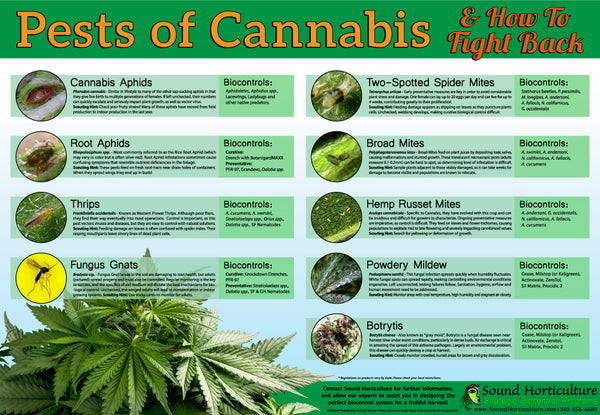
Phorodon cannabis is a specialist aphid that feeds exclusively on hemp and cannabis plants — indoors and outdoors. High densities build rapidly through asexual reproduction, causing wilting, yellowing, honeydew deposits, and sooty mold that reduces plant health and marketability.
How to Identify Cannabis Aphids
- Pale to light green or light brown; wingless forms have pale stripes on the abdomen
- Winged forms (alates) have dark spotting and are produced when plants become overcrowded
- Cast skins (exuviae) on upper leaf surfaces are a reliable early detection sign
- Honeydew — shiny spots on upper leaf surfaces — indicates active feeding below
- Use yellow sticky traps to detect winged adults migrating into the crop
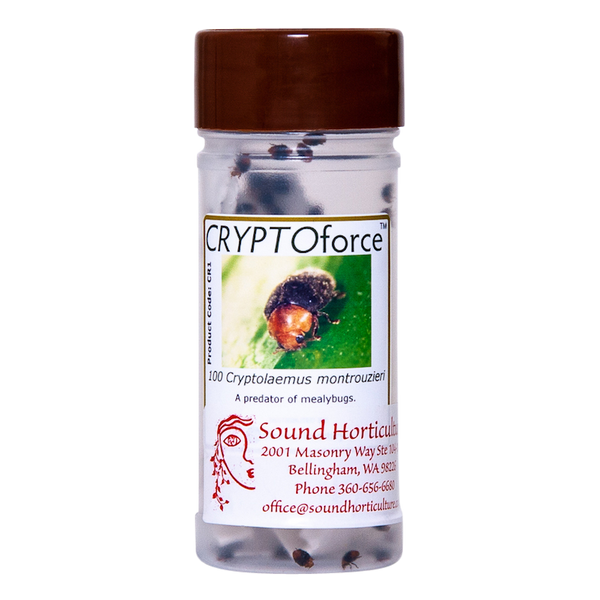
Biological Control Options
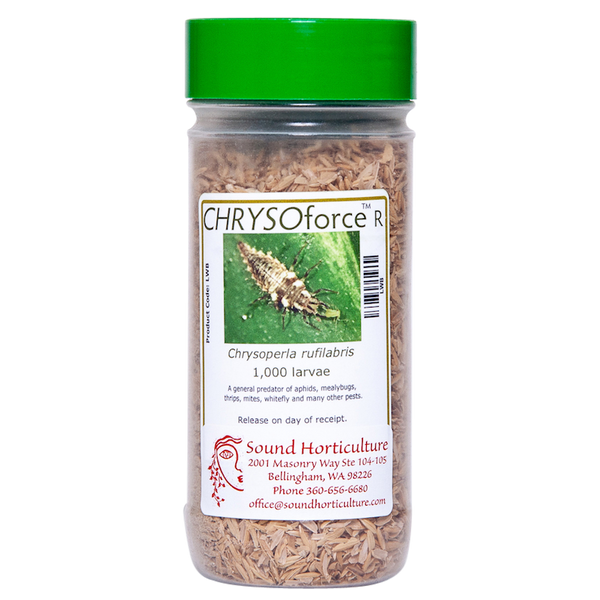
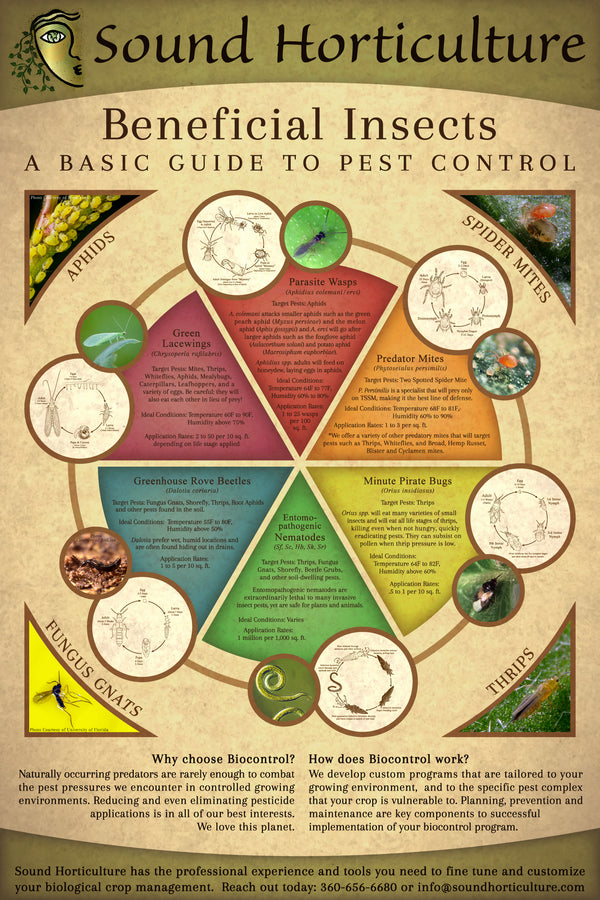
- Green Lacewings (Chrysoperla spp.) — larvae are voracious aphid predators; each consumes 200+ pests per week
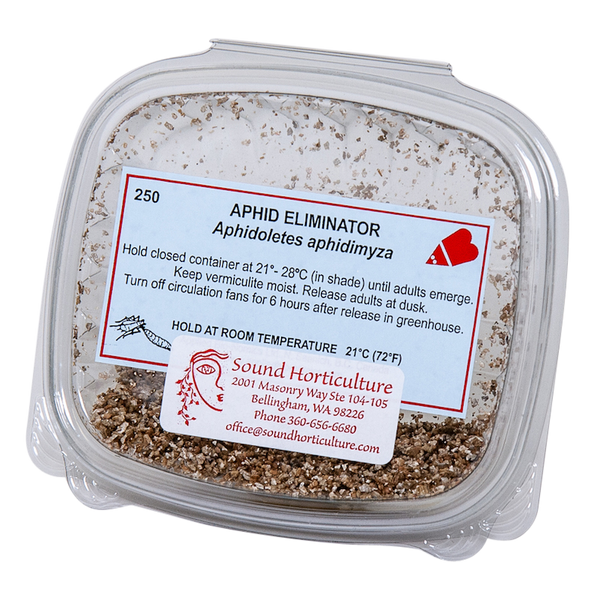
- Aphidoletes aphidimyza (Aphid Midge) — larvae specialize in aphid colonies; highly effective at knockdown of established populations
- Adalia bipunctata (Two spotted Lady Beetle) — adults and larvae feed on aphids; best used as a supplemental release
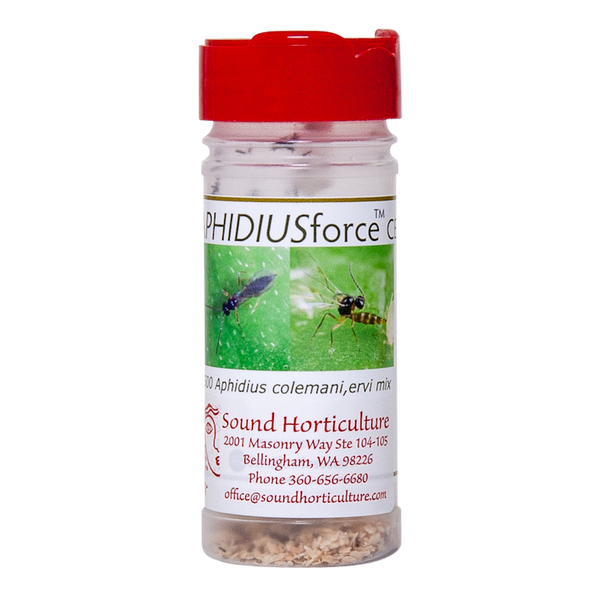
- Parasitoid wasps — Aphidius spp, naturally occurring; support by avoiding broad-spectrum pesticides
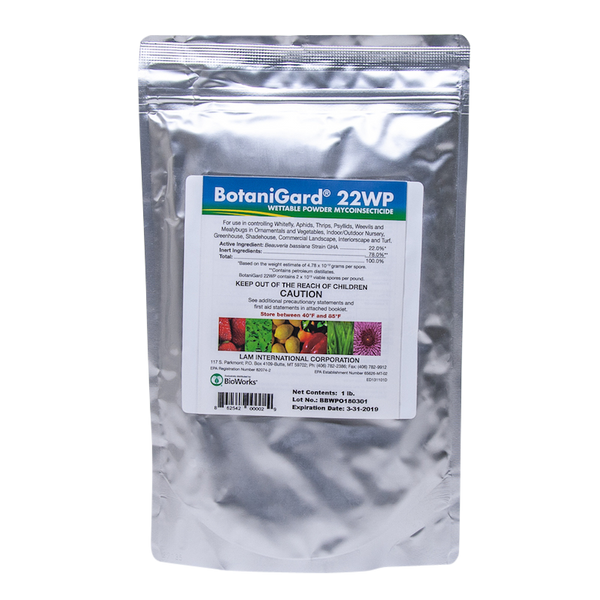
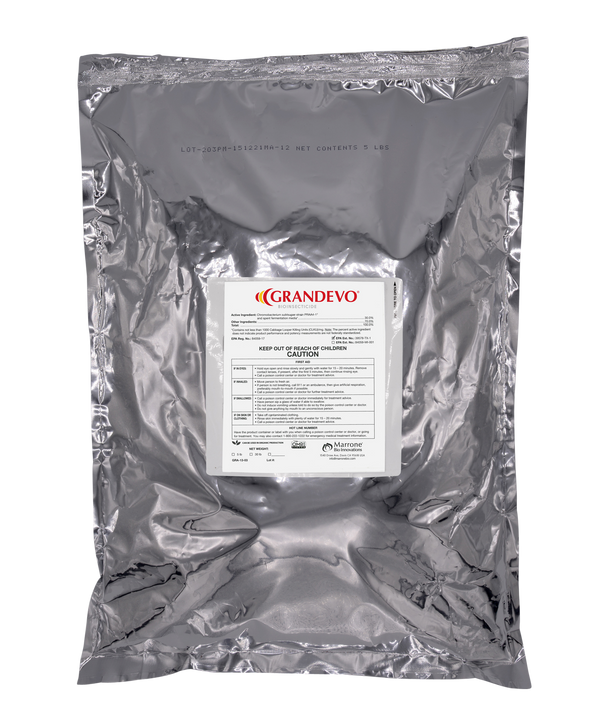
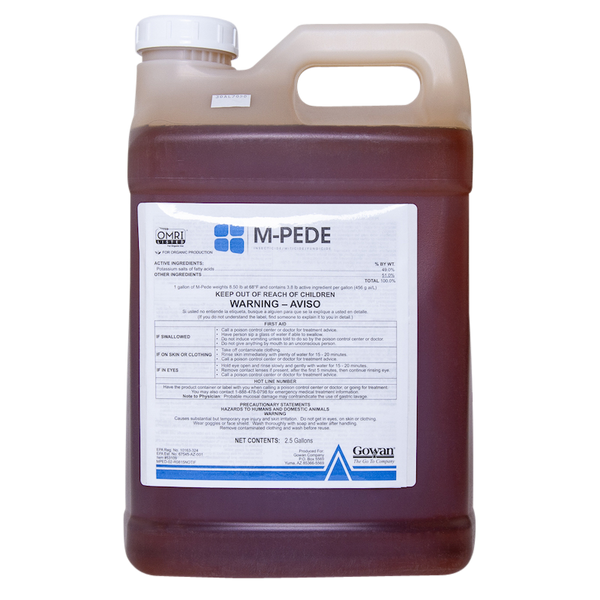
Bioinsecticide Options
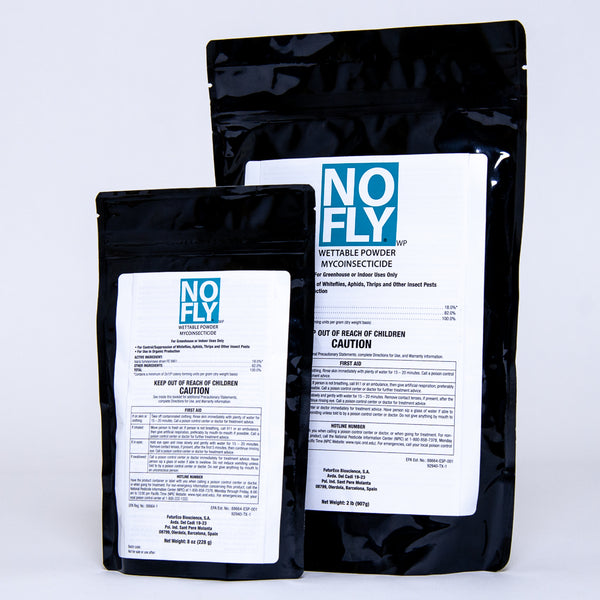
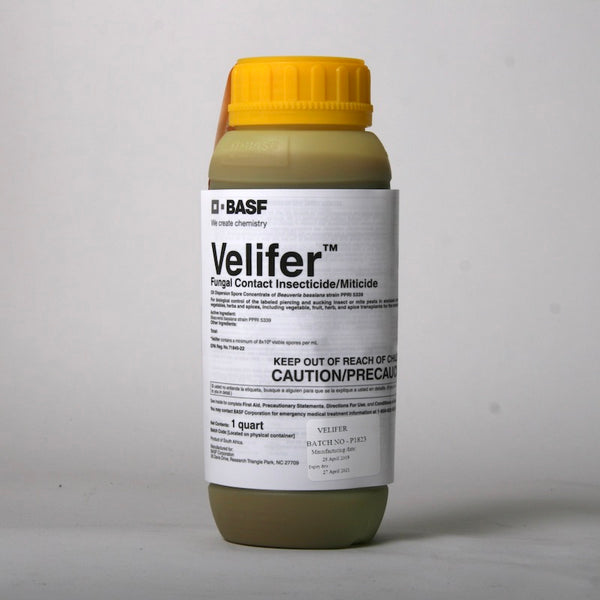
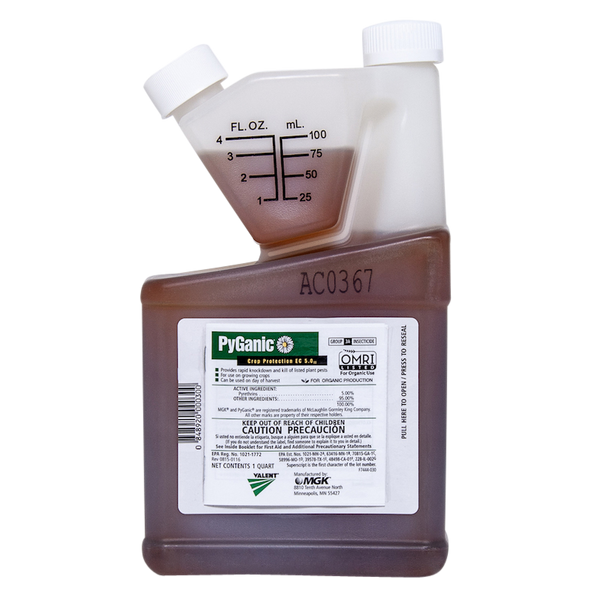
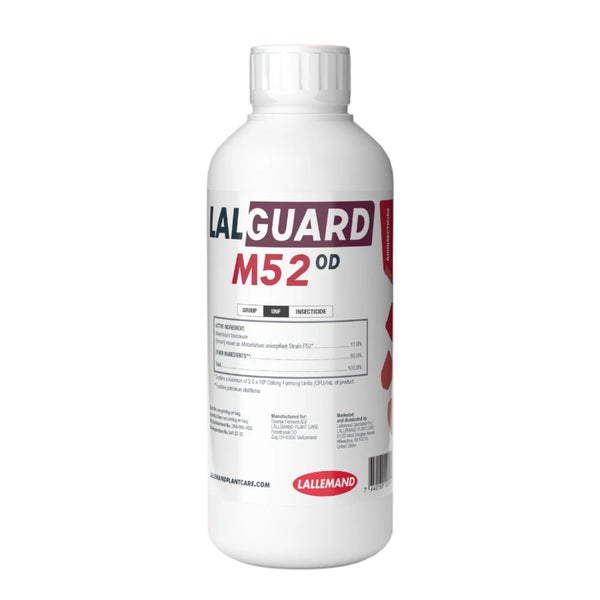
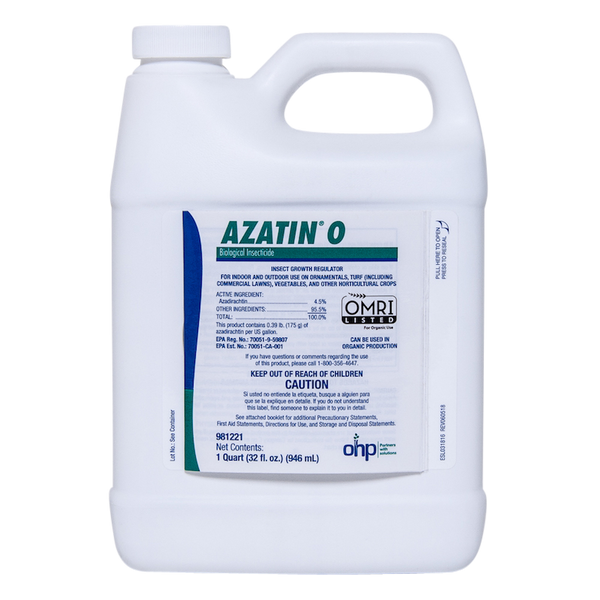
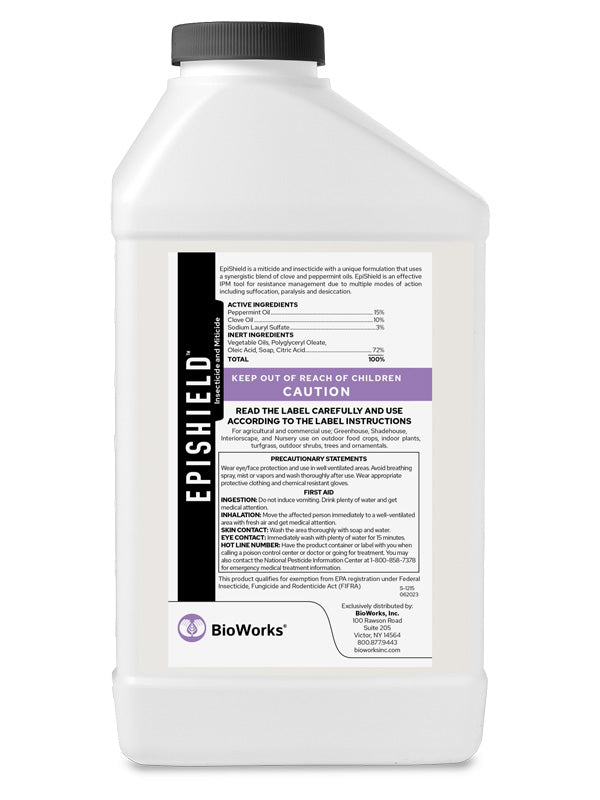
For knockdown of established populations, organic contact insecticides are effective when applied directly to aphid colonies:
- Insecticidal soaps — kill on contact; safe for use around beneficials once dry
- Botanical oils — contact activity smothers pest
- Rotate products to prevent resistance development
Cultural Control Tips
- Row covers from planting through bloom provide a physical barrier against winged aphids
- Remove weeds and volunteer crops before planting to eliminate overwintering habitat
- Monitor nitrogen inputs — excess nitrogen accelerates aphid reproduction
- Reflective mulches repel migrating winged aphids in outdoor systems
- Control ants — ants protect aphid colonies from natural enemies; use ant baits in enclosed spaces
For a personalized recommendation, complete our Grower Questionnaire or visit our Aphid Resource Page for additional guidance.